On the waterMálaga
Boat hire for the Axarquía coast, east of Málaga
May–Oct
East of Málaga the resorts thin out, the mountains come down to the sea and the harbours almost stop. There is essentially one place to shelter between the city and the Granada border, which changes how you plan a day afloat. Where to start from, how far is sensible, what the easterly does to this stretch, and the anchorages worth the fuel.
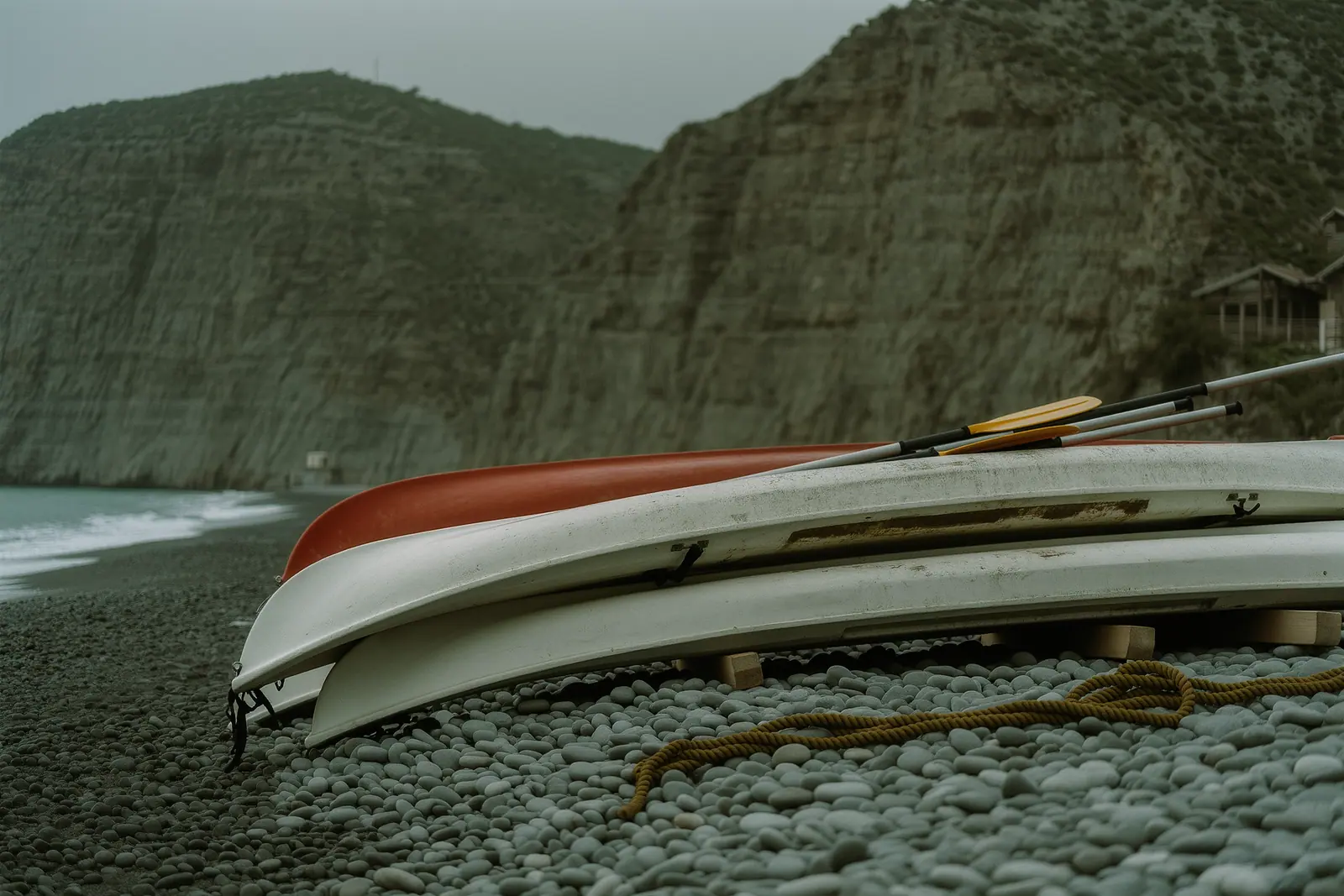
Turn left out of Málaga harbour and within twenty minutes the coast changes. The towers stop, the Montes de Málaga come down towards the sea, and the shoreline becomes a run of grey pebble beaches, dry riverbeds and cliffs with the odd white village stacked up behind them. This is the Axarquía, and by the standards of the Costa del Sol it is empty.
It is also, for a boat, awkward in one specific way: there is almost nowhere to stop.
One harbour, and what that does to a plan
West of Málaga a small boat is never more than a few miles from a marina with a fuel berth, a pontoon and somebody to call. East of the city that infrastructure essentially stops. There is the marina just east of the port, there is the harbour serving the Vélez-Málaga stretch, and then there is a long gap before the next real shelter across the provincial boundary.
The practical consequences:
- Plan out-and-back, not point-to-point. You leave from a harbour and you return to it. Coast-hopping between bases is a western Costa del Sol idea.
- Fuel is a fixed calculation. Half out, half back, plus a reserve for a headwind. The reserve is not optional here.
- A mechanical problem is a longer wait. Recovery distances are greater and there are fewer boats around to help. Know who you would call.
- Weather cover is limited. If the wind gets up, your options are to run for the one harbour or to beach the boat, and beaching a hire boat is a conversation you do not want to have.
| From | To | Rough distance | Realistic in |
|---|---|---|---|
| Málaga port | El Cantal cliffs, Rincón de la Victoria | 5–6 nm | Anything, half a day |
| Málaga port | Torre del Mar | 15 nm | A day, in a proper day boat |
| Axarquía harbour | Torrox and the eastern beaches | 6–8 nm | A relaxed half day |
| Axarquía harbour | Nerja and the Maro cliffs | 10–12 nm | A full day with a lunch stop |
| Málaga port | Nerja | 25–30 nm | A long day, faster boat only |
The levante, and choosing your side of the city
Direction beats strength on this coast, and the word to look for in a forecast is levante.
The easterly runs the length of the Alborán Sea and arrives here as a short, steep chop travelling straight along the coast. The Axarquía takes it on the nose or on the beam for the whole run, and there is no lee. A levante day east of Málaga is a bad day in a small boat and an unpleasant one in a big boat.
The mirror image applies to the west: a strong poniente makes the Marbella and Estepona stretch lumpy while the eastern coast sits flat. This is the single most useful local habit to copy — locals do not cancel because of wind, they change which side of Málaga they are on.
The third wind, the terral, blows off the land. It flattens the sea near the shore and pushes anything light away from it, which matters more for paddleboards than for boats, but it also means that a glassy morning is not automatically a settled one.
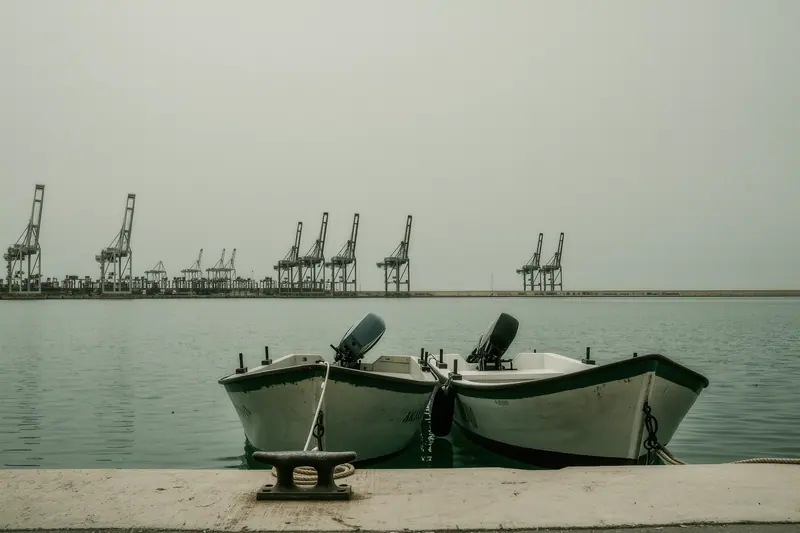
Where to stop
The Axarquía does not have the coves of the Balearics. What it has is a series of open beaches, most of them backed by nothing, which is a different pleasure.
The El Cantal cliffs at Rincón de la Victoria, twenty minutes out of the city. Low limestone with caves at the base and old railway tunnels above them, now part of the coastal path. Good snorkelling, sheltered from anything westerly.
Torre del Mar and the river mouths. Long grey-sand beaches, shallow water, and a river bar that shifts. Fine for lunch at anchor in settled weather; be aware of the depth.
The stretch below Torrox and Nerja. The coast starts to lift here and the water gets clearer. Small pebble beaches with steep access from land, which means they are quiet even in August because almost nobody walks down.
The Maro cliffs. The best of it, and the most regulated. The protected area covers both the land and a strip of sea, motorised craft are kept away from parts of it, and the rules change between seasons. Ask the base exactly where you may and may not go, and treat this as the day to go slowly. The alternative, and arguably the better experience, is to leave the boat and take a kayak along the cliffs instead.
What to hire, and what it costs
For this coast, the useful boat is a day boat with a cabin or at least a bimini, an anchor with real chain, and enough range to make the trip twice. That generally puts it above the licence-free tier, which means a certificate — or a skipper, which for one day is often the cheaper route once the deposit is factored in. The ladder is set out in what you can take out without a certificate.
Expect high-season day rates for a modest day boat with a skipper to sit somewhere in the mid hundreds of euros, less without one, and noticeably less in May, June and October. Fuel is almost always separate and on this coast it is a real number, because you will be running for longer between stops than you would in the west.
The season on this side
- May and June. Clear water, empty coast, and the reliable morning calm. Best value of the year.
- July and August. Hot, hazy, and busier at the launch points than on the water. The interior heats up and the terral days arrive.
- September. Warmest sea, best visibility, and the levante starting to return. The month to book if you can only pick one.
- October. Fine days and a rising chance of the first autumn storm. Flexible bookings only.
- Winter. Hire thins out to almost nothing east of the city. The water is often glass on a January morning, which is a real pleasure and not a product anyone is selling.
The mistake worth avoiding
Do not book a boat in Málaga port and plan to reach Nerja and back in a day because the road takes fifty minutes. By sea it is a different scale of journey, and the last third of it is the exposed part.
Either take the boat from a base along the Axarquía coast and treat Nerja as your far point, or accept that a day out of Málaga port goes as far as the cliffs at El Cantal and no further. The people who get this coast right start closer to the part they came to see, which is the same logic that governs choosing a charter base at all.
What to check before you book
- Plan the day around one harbour rather than two. There is very little shelter along this coast.
- Ask where the nearest fuel berth is and whether you are expected to return with a full tank.
- Check the forecast for easterlies specifically, not just wind strength — direction decides this coast.
- Confirm whether the protected stretch east of Nerja restricts where a motorboat may go or anchor.
- Ask about the anchor and chain length before you plan to lie off a beach for lunch — the bottom shelves quickly here.
- Agree what happens if the harbour entrance is untenable on your day. Small eastern harbours can be awkward in a swell.
- Take shade. There is none on a small open boat and the sun on this coast is relentless from June.
Questions people actually ask
- Where can I hire a boat east of Málaga?
The city port and the small marina just east of it are the main starting points, and there is a harbour further along the Axarquía coast that serves as the local base for boats and fishing craft. Beyond that the coast is essentially harbourless until the Granada border. Hire is thinner and more seasonal than on the western resorts, which is part of the appeal.
- How far is Nerja by boat from Málaga?
Roughly twenty-five to thirty nautical miles depending on where exactly you start and finish, so a long day out and back in a small boat and a comfortable one in something faster. It is not a licence-free trip. Most people who want the Maro cliffs start much closer, from the Axarquía side, or paddle instead.
- Is the coast east of Málaga rougher?
It is more exposed to easterlies. When the levante blows, the eastern half of the province gets a short, steep chop running straight along the coast with nowhere much to hide, while the beaches west of Málaga stay comparatively calm. West of the city the pattern reverses in a westerly. Choose your side by the forecast, not by the plan you made in advance.
- Can I anchor off the beaches?
In many places yes, outside the buoyed swimming areas and clear of the marked channels, but the protected stretch east of Nerja has its own rules and they change. The bottom shelves quickly on this coast and much of it is sand over rock, so you want more chain out than the depth suggests. Ask the base what they permit and what the local restrictions are before you commit to a lunch stop.