PlacesMálaga
Long winter lets: Málaga city or the coast
Nov–Mar
From November to March this province fills with people staying three to five months. The city and the coastal towns offer completely different versions of that stay, at different prices, on different contracts. What a temporada let is, what it excludes, and how cold a Spanish flat can be.
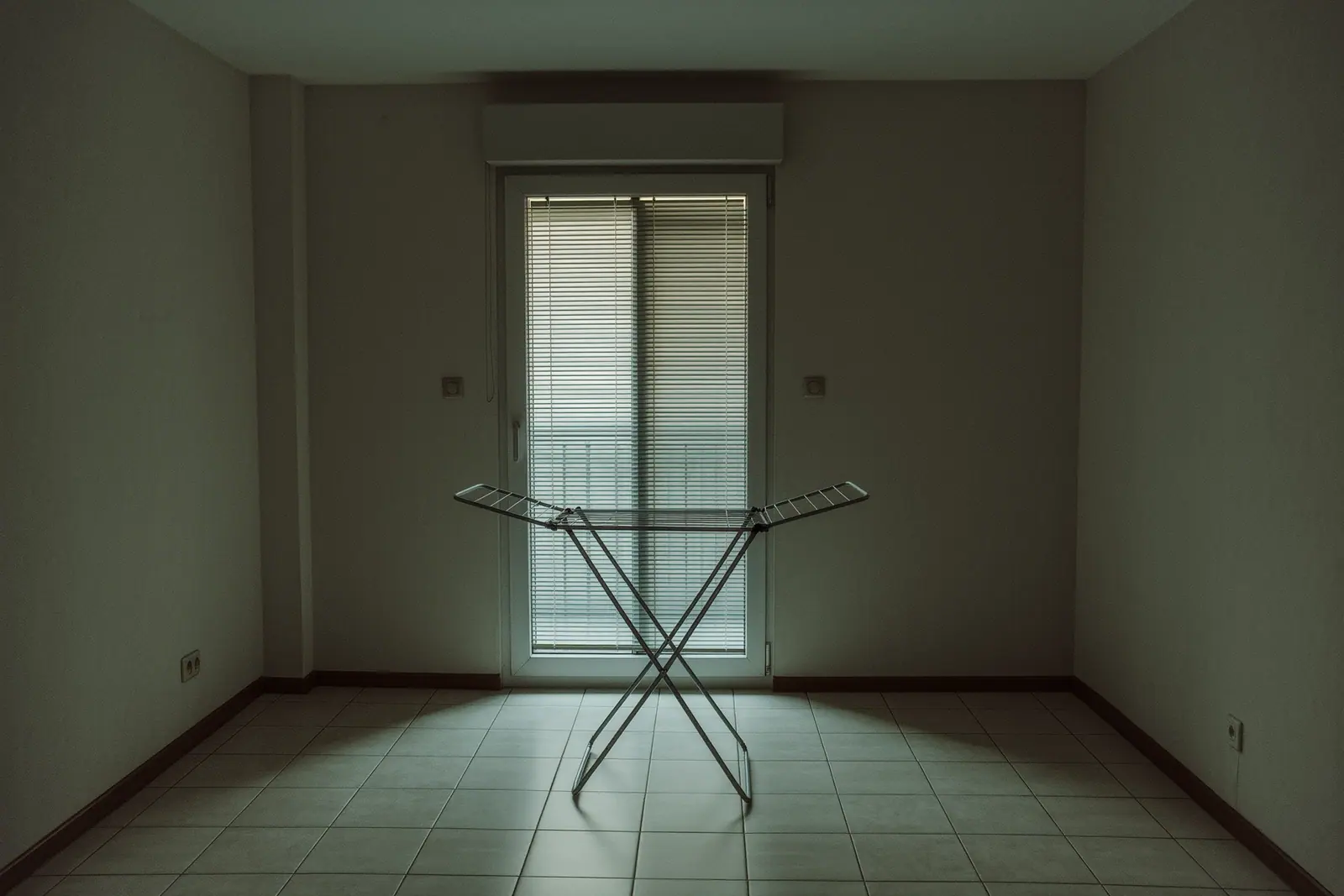
From November the arithmetic of this coast reverses. The beaches empty, the summer lets sit unused, and a different population arrives: people spending three to five months here because it is fifteen degrees warmer than home. The Spanish call them the invernantes, and the whole winter rental market is built around them.
Two versions of that stay are available and they are not variations on a theme. Málaga city and the coastal towns twenty minutes away offer different housing, different prices, different contracts and different Januaries.
The two markets
| Málaga city | The coastal towns | |
|---|---|---|
| Typical winter monthly rate | Higher, close to year-round levels | Lower, sometimes much lower |
| Why | Residents and students compete for the stock | Summer stock sitting empty |
| Stock | Older blocks, some new build, small flats | Purpose-built apartments, pools, terraces |
| In January | Fully alive | Quiet, many businesses shut |
| Car needed | No | Effectively yes |
| Walking distance to anything | Yes | Depends entirely on the block |
| Availability at short notice | Poor | Better |
The trade is straightforward once you see it. The coast gives you more space, more terrace and a lower rate. The city gives you a functioning town in January, which sounds like a small thing until you have spent a winter in a resort where half the restaurants are closed until Easter and the promenade is beautiful and deserted.
The contract, which is the part to get right
Three different arrangements exist and they are not interchangeable.
A holiday let is short-term tourist accommodation and is regulated as such in Andalusia, with a registration requirement for the property. It is the most expensive way to stay for months and the least secure.
A temporada, or seasonal, let is the normal instrument for a winter stay. It covers a defined period for a stated purpose, sits outside the standard residential tenancy rules, and gives you fewer long-term rights — which is why landlords prefer it and why it exists.
A residential tenancy carries far more tenant protection and correspondingly more obligations, and a landlord letting a flat for one winter will generally not offer it.
Know which one you are signing. Ask directly, in writing, and if the answer is evasive that is information. Deposits of one or two months are normal. Rules on how a deposit must be held and returned exist and are worth checking for your specific situation.
Heating, damp and the January nobody photographs
This is the single most common complaint from northern European winter tenants, and it surprises them every year.
Housing in Andalusia is designed to survive August. Tiled floors, thick shade, minimal insulation, single glazing in anything built before the last two decades. That design works brilliantly for four months and works against you in January, when the outside temperature drops to eight or ten overnight and the flat holds it.
Most flats have no central heating. What they have is an air conditioning unit with a heat pump, which does heat, and does it on electricity at Spanish electricity prices. Ask three questions: what heating exists in each room, whether the electricity is included or metered, and whether there is a cap.
Damp is the related problem. Coastal humidity plus cold external walls produces mould behind furniture on north-facing walls. Look for it before you sign, behind wardrobes and in ceiling corners, and photograph anything you find on the day you arrive.
What is not in the rent
Community fees, usually — although in a winter let they are often absorbed by the landlord, so ask. Water and electricity, usually not, or included up to a cap. Internet, sometimes; check the actual speed rather than the promise, particularly in older blocks and rural fringes.
Parking is the item that catches coastal tenants. A flat in a purpose-built block may or may not come with a space, and in a town where you need a car, a space you have to rent separately changes the monthly figure.
And in the city, a car is a liability rather than an asset. Central Málaga is walkable end to end, parking is scarce and metered, and access to parts of the centre is restricted. Most winter residents in the city use a bike, a monthly transport pass and an occasional hire car, which works out cheaper than keeping a vehicle for five months.
Choosing between them, honestly
Take the coast if you want space, a terrace, a pool you will look at rather than swim in, and a lower rate — and if you are content with quiet.
Take the city if you want to walk to things, if you are working while you are here, or if you have any doubt at all about how much company you need in February. The city keeps going all winter: the market, the theatres, the tapas bars, the museums, the university.
If you are working remotely, the city wins outright, and the practicalities of that are in the piece on coworking and meeting rooms by the hour. If you are drawn to a flat in the old town specifically, read the historic centre and the noise question first — a five-month stay above a street of bars is a different experience from a long weekend in one.
The mistake to avoid is renting sight unseen for the whole winter on the strength of summer photographs. Book six weeks, arrive, look at the place in the rain in December, and extend. Landlords here are used to it.
What to check before you book
- Establish which kind of contract you are signing. A seasonal let, a holiday let and a residential tenancy have different rights and different tax treatment.
- Ask what heating exists. Air conditioning with a heat pump is not the same as heating and the difference shows on the bill.
- Get the utilities arrangement in writing: included, capped, or metered and billed. A capped arrangement is the one to look for.
- Ask whether community fees, water and internet are included, and who the account is with.
- Check for damp. Look behind wardrobes on external walls and at the ceiling corners of north-facing rooms.
- Confirm the inventory in photographs on the day you move in, and send them to the landlord the same day.
Questions people actually ask
- What is a temporada let?
A seasonal contract, used for stays with a defined purpose and end date that are longer than a holiday but not a permanent home. It sits under different rules from a standard residential tenancy and gives the tenant fewer long-term protections, which is precisely why landlords use it for winter visitors. Have someone explain the specific contract you are offered before you sign it.
- Is the coast really cheaper than the city?
In winter, usually yes, and often substantially. Coastal towns have a large stock of apartments built for summer that would otherwise sit empty from November, so the winter rate is whatever keeps them occupied. Málaga city has a year-round rental market with residents and students competing for the same flats, so winter is not a discount season there.
- How cold does it get indoors?
Colder than the temperature outside suggests. Housing here is built to shed heat, with tiled floors, single glazing in older blocks and little or no insulation, and a January evening at ten degrees outdoors feels considerably worse in an unheated flat. Ask what heating exists and budget for electricity, which is the usual way of running it.
- How far ahead should I book?
Three to six months for the good stock, more for a specific coastal town in a specific month. The winter market here is competitive between returning visitors who take the same flat every year, and much of it never reaches a public listing. If you liked somewhere, ask about next winter before you leave.