GearMálaga
Beach equipment hire and the concession system
Apr–Oct
The rows of loungers on a Málaga beach are not decoration, they are a licensed concession with a defined footprint and a season. Understanding how that works explains the prices, the empty stretches in October, and the polite argument you will otherwise have about where your own parasol may go.
A Málaga beach in August is organised space. There are rows of loungers in uniform colours with a set number of paces between them, a service kiosk, a walkway to the water, and a strip of open sand beyond the last row where people lay towels. None of that is arbitrary. It is the visible shape of a concession.
Once you know that, the things that puzzle visitors — why the prices are so similar, why the rows stop where they stop, why the whole apparatus vanishes in November — stop being puzzling.
How the system works
The Spanish coast is public property. Nobody owns a beach. What exists instead is a licensing framework: the state coastal administration sets what may happen on the public shoreline, and municipalities grant the operating rights within it, usually by tender and usually for a defined term.
A concession specifies the footprint, the number of units, the season and the service standards, and it normally requires a price list to be displayed. It also requires free access to the water and a clear strip of open sand — which is why the rows never run right down to the waterline.
This has three practical consequences for you.
| What you notice | Why |
|---|---|
| Prices are similar along a stretch | They sit within the concession terms, not set freely each morning |
| The rows stop short of the sea | Free access and an open strip are required |
| Nothing to hire in December | The season is defined in the grant |
| Rules differ between two adjacent beaches | Different municipalities, different local ordinances |
| The operator will not let you plant a parasol in row three | That footprint is licensed and counted |
What you actually get for the money
A lounger and a parasol for the day, a place to leave your things while you swim, and someone to ask about the flag. On the busier city beaches the set is typically €5–12 per lounger per day in high season, with half-day rates from mid-afternoon and a modest premium on the resort stretches west of the city.
What is worth paying for is shade, not the lounger. On La Malagueta in July the sand is unusable barefoot by eleven and there is no natural shade anywhere. The parasol is the product; the bed is packaging.
Ask two questions when you take one. Whether the price is per lounger or per set, because the answer differs, and whether your place is held if you go for lunch — most operators will hold it, some for a stated period, and the espeto lunch at a chiringuito is a two-hour proposition rather than a sandwich.
The beaches, and what each is like to hire on
The city beaches divide by character. La Malagueta is the central one, fully serviced, busy from June, and the easiest place to walk up and hire something. Pedregalejo and El Palo, east of the centre, are the old fishing quarters: smaller coves between groynes, boats drawn up on the sand, the best lunch on the coast, and a lighter, more local hire presence. Huelin and Misericordia, west of the port, are wide, plain and much quieter, and the concessions there are sparser.
Further east towards Rincón de la Victoria and further west into Torremolinos you cross municipal boundaries, and the local rules change with them. That is the single most common source of confusion: what is permitted on one beach is prohibited on the next one along, and the boundary is not marked in any way a visitor would notice.
Flags, lifeguards and the other thing the concession runs
The flag on the post is not decoration and it is not set by the timetable. Green, yellow and red mean what they say, and on this coast the change usually follows the wind rather than the swell — a levante that gets up over lunch can turn a flat morning into a yellow afternoon within the hour. Check it when you arrive and check it again after you eat.
Lifeguard cover is seasonal and hours are posted rather than continuous. Outside those hours the beach is unsupervised even when it is busy, which matters most in May and October when the water is fine and the season has not started or has already finished.
Pedalos, kayaks and paddleboards on the same beaches are usually run by the same kind of licensed operation, with their own marked launch corridor through the swimming area. Use it rather than launching wherever you happen to be sitting.
Bringing your own kit
Perfectly normal and widely done. Spanish families arrive with parasols, windbreaks, chairs and a cool box, and set up in the open sand beyond the concession footprint. Two things to know.
First, do not plant your own parasol inside the licensed rows. It is not a legal grey area from the operator’s point of view — those slots are counted.
Second, rules on tents, gazebos, windbreaks, barbecues, dogs and equipment left overnight are municipal and genuinely differ between neighbouring towns. If you intend to bring anything more substantial than a parasol and a towel, check the current ordinance for that specific beach rather than assuming what applied last year on the beach next door.
The season nobody hires in
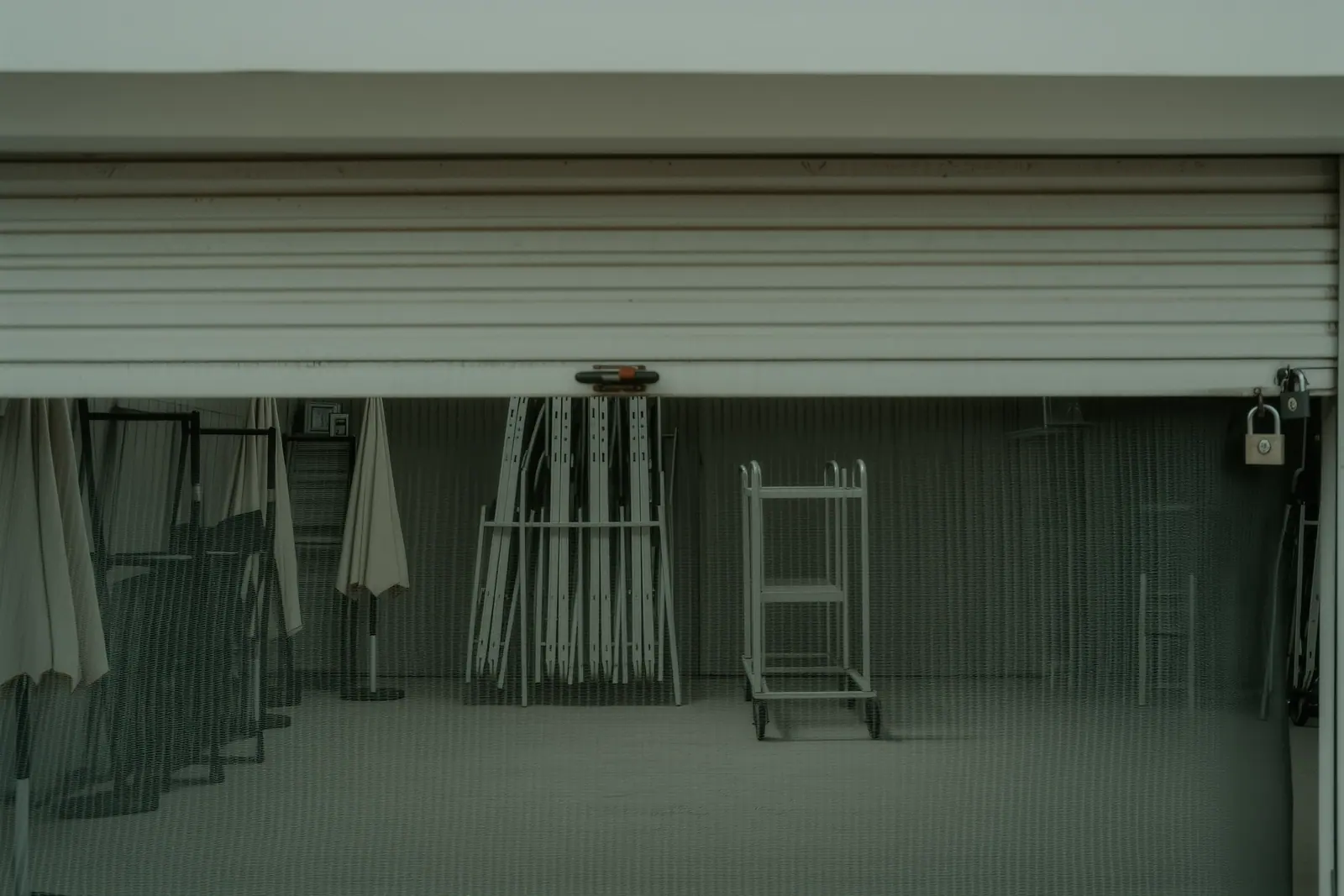
October to April, the beaches are empty and the stores are locked. A Málaga beach in February, with the sun out and seventeen degrees, is one of the good things about living here — and there will be no loungers, no parasols and often no chiringuito open beyond the handful that trade all year.
If you are here out of season, the beach becomes somewhere you ride to rather than somewhere you lie on. The promenade behind it runs for kilometres and is at its best exactly when the sand is bare; see the pieces on the coastal path by e-bike and hiring bikes for a family for how far that goes in each direction.
What to check before you book
- Ask whether the price is per lounger or per set with the parasol, and whether it is a half day or a full day.
- Check the published price list. Concession terms normally require one to be displayed, so ask to see it rather than accepting a number.
- Confirm whether your lounger is held if you leave for lunch, and for how long.
- Ask where you may site your own parasol if you brought one, before you plant it.
- Check the flag before you swim, and check it again after lunch. It changes with the wind, not with the timetable.
- Verify current municipal rules on your beach for dogs, barbecues and overnight equipment. They differ between neighbouring towns.
Questions people actually ask
- Who actually owns the sun loungers?
The Spanish coastline is public domain, and the right to operate equipment on it is granted by the municipality within a framework set by the state coastal authority. That grant defines how many loungers, over what footprint, for what season, and typically requires a displayed price list. The operator on the sand is running that concession, not owning the beach.
- Can I put up my own parasol?
Generally yes, on the parts of the beach outside the concession footprint, and not inside the licensed rows. Rules on where, and on things like windbreaks and tents, are municipal and differ between neighbouring towns on the same stretch of coast. Ask before you plant anything, and check the current local rules if you plan to bring substantial kit.
- What does a day cost?
Typically in the range of €5–12 per lounger per day in high season, with a parasol either included in a set or charged separately, and half-day rates in the afternoon. City beaches sit at the lower end and the resort stretches at the higher one. Prices are set within the concession terms rather than freely, which is why they cluster.
- When does the equipment come out and go away?
Broadly from Easter to October, with the full service from June to September and a reduced presence at the shoulders. In winter most of it is stacked in a locked store and the beaches are bare. A warm February weekend can be beautiful on a Málaga beach and there will be nothing at all to hire.